A Little Less Conversation, A Little More…North Pole?
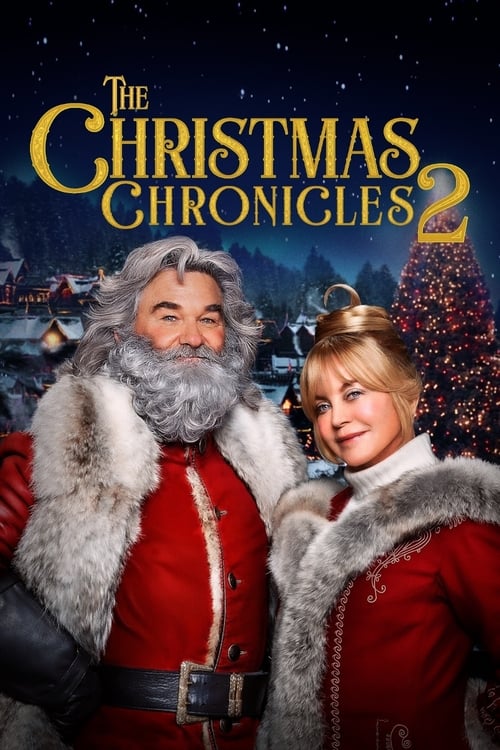
There's a moment in 'The Christmas Chronicles: Part Two' where Kurt Russell, as Santa Claus, is trying to coax some Christmas spirit out of a cynical Kate Pierce (Darby Camp). She's not feeling the Cancún Christmas, she's not feeling her mom's new boyfriend, and she's definitely not feeling the forced cheer. Santa, in his leather-clad, Elvis-inflected way, says something about needing to 'believe.' It's a familiar sentiment in Christmas movies, a kind of magical thinking that often feels…well, a little thin. But in this sequel, that plea for belief resonates with a deeper anxiety: the fear that the idea of Christmas, the feeling, the magic, is slipping away, replaced by something…else.
A Whimsical Wormhole to Wobbly Traditions
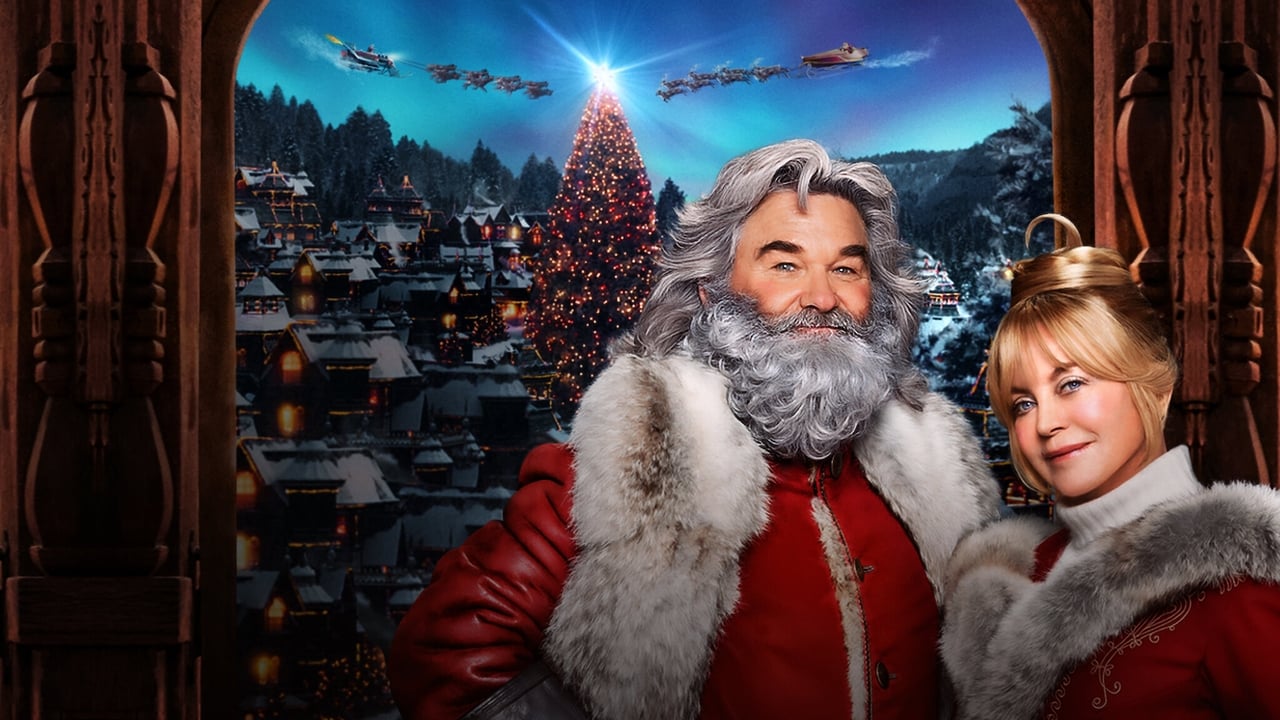
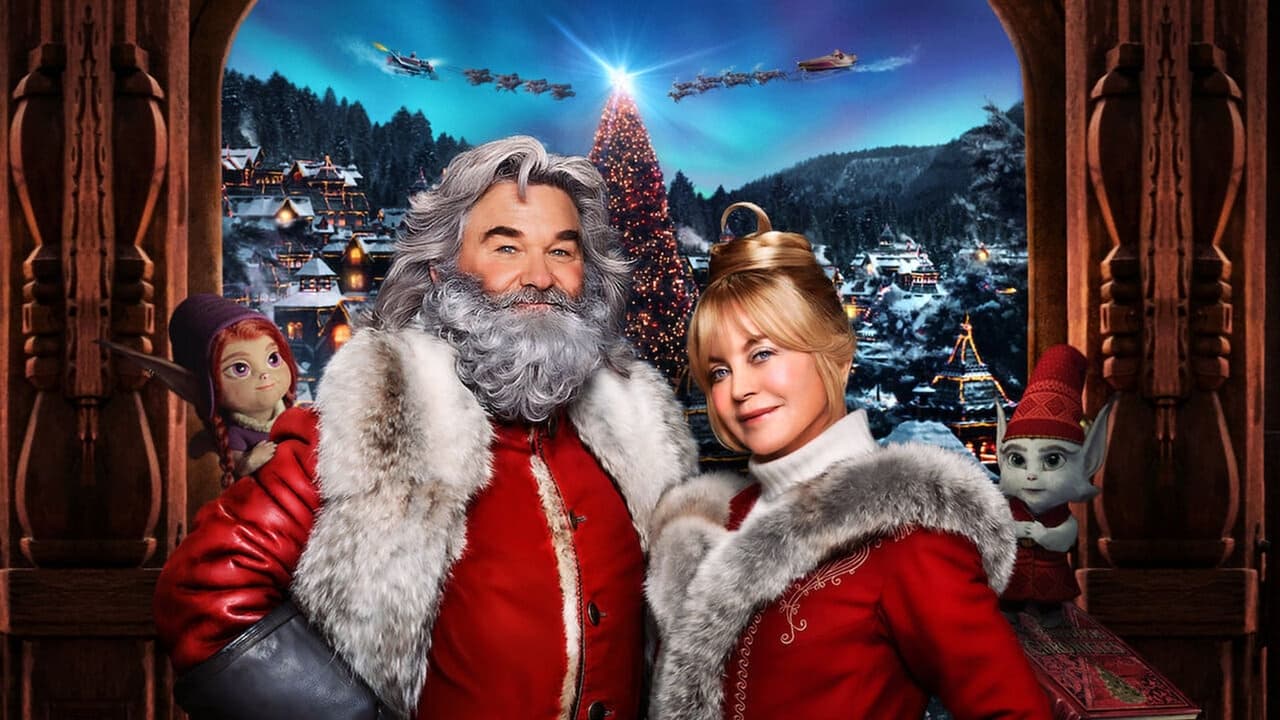
The film, directed by Chris Columbus (a veteran of both 'Home Alone' and the first two 'Harry Potter' films), throws us headfirst into a fantastical world. Kate, along with Bob's son, Jack (Jahzir Bruno), is whisked away to the North Pole by the disgruntled elf, Belsnickel (Julian Dennison). What follows is a whirlwind of reindeer, time travel, and elven snowball fights. The visuals are bright and busy, the plot is a bit chaotic, and the overall effect is…well, it's a lot. But amidst the digital snow and CGI elves, there are moments of genuine warmth and reflection. The film takes its Santa lore seriously, even delving into the historical Saint Nicholas, a bishop who gave gifts to the poor. This historical grounding gives weight to the fantastical elements, suggesting that Christmas, at its core, is about something more than just presents and decorations.
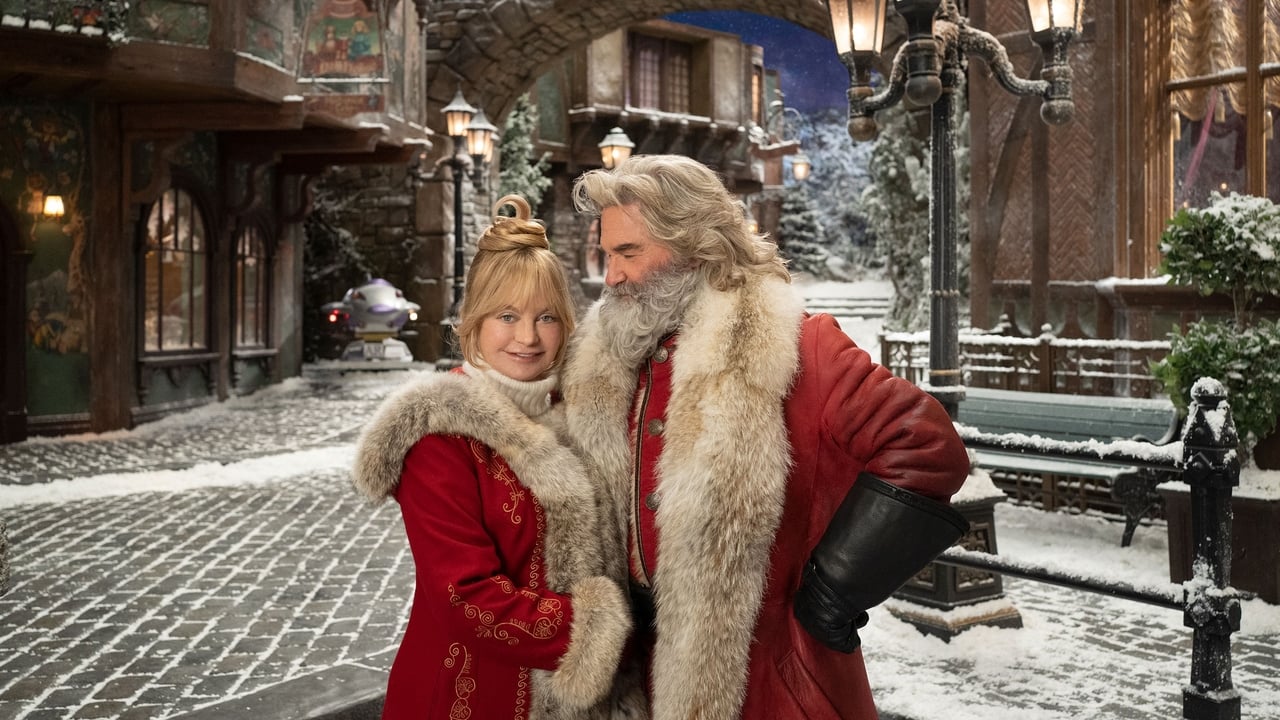
Goldie Hawn as Mrs. Claus brings a grounded warmth and humor to the role. She's not just Santa's wife; she's a partner, a confidante, and a skilled gingerbread-cookie bomb thrower. The scenes between Russell and Hawn have a relaxed, lived-in quality that elevates the film beyond simple holiday fluff. They’re not just playing characters; they’re building a world, a history, a shared mythology. When they are sharing a scene, it sells the family fantasy.
The Ghosts of Christmas Presents
But 'The Christmas Chronicles: Part Two' isn't just about saving Santa's Village from a grumpy elf. It's also about Kate grappling with the loss of her father and her resistance to change. Her cynicism is a defense mechanism, a way to protect herself from further heartbreak. The film cleverly uses Belsnickel's backstory to mirror Kate's emotional journey. Belsnickel's bitterness stems from feeling neglected by Santa and Mrs. Claus, a sense of abandonment that resonates with Kate's own feelings of loss.
The film also touches on the anxieties of modern Christmas. The North Pole, with its endless rows of toy-making elves, feels less like a magical workshop and more like a highly efficient, slightly unsettling factory. The elves are cute, but they are also relentlessly cheerful, churning out toys at an alarming rate. The film doesn't explicitly critique consumerism, but the sheer scale of the Santa operation hints at the pressures and expectations that surround the holiday season. It's a North Pole as an industrial complex, with all of the joy and anxiety that entails.
The Timelessness of Tradition
One of the most poignant scenes in the film involves time travel, a plot device that allows Kate to briefly reunite with her late father. This moment is not just a sentimental contrivance; it's a reminder of the enduring power of memory and the importance of cherishing the moments we have with loved ones. The scene underscores the idea that Christmas is not just about the present; it's about the past, the traditions we inherit, and the people we hold dear. The emotional weight of this scene elevates the film and gives it a deeper resonance beyond the typical Christmas fare.
And that's where the 'Christmas-ness' of the film truly lies – not just in the sleigh bells and snowdrifts, but in the exploration of these deeper emotional currents. It’s there in the longing for connection, the struggle to overcome cynicism, and the desire to believe in something bigger than ourselves. The movie ultimately argues that Christmas isn't just a date on the calendar; it's a state of mind, a way of seeing the world with a little more hope and a little more kindness. The film asks if we can recapture the spirit of Christmas, even when the world feels increasingly commercialized and complicated.
Undeniably a Christmas Movie
'The Christmas Chronicles: Part Two' is undeniably a Christmas movie. It has Santa, the North Pole, elves, reindeer, and a plot centered around saving Christmas. But it's more than just a collection of holiday tropes. It's a film that grapples with the anxieties of modern Christmas, the challenges of grief and loss, and the enduring power of belief. It is a film about a family rediscovering its love for one another. And, importantly, it is a story that champions the spirit of togetherness and generosity that defines the holiday at its best.
O Christmas Tree, O Christmas Tree
The film ends with everyone, from the Pierce family in Cancún to the elves in the North Pole, singing 'O Christmas Tree.' It's a simple moment, but it's also a powerful one. It's a reminder that Christmas, at its heart, is about connection, about sharing, and about celebrating the things that unite us. And in a world that often feels divided, that's a message worth believing in.