The Blizzard Inside
The scent of pine needles, burnt sugar cookies, and simmering resentment. That's the olfactory cocktail of many a Christmas gathering, isn't it? A forced-festive fug clinging to the air like a persistent cough. We brace ourselves, plaster on a smile, and navigate the minefield of familial expectations. But what happens when the simmering resentment boils over? When the carefully constructed façade of holiday cheer cracks, revealing the darkness beneath? That's where Michael Dougherty's Krampus enters the picture, a gleefully grim reminder that sometimes, the monsters we fear most are the ones sitting across the dinner table.
A Family Feast of Dysfunction
The Engel family, as presented to us in the film, is a masterclass in holiday dysfunction. Tom (Adam Scott) and Sarah (Toni Collette) are barely holding it together, their attempts at creating a Norman Rockwell Christmas thwarted by the arrival of Sarah's sister Linda (Allison Tolman), her boorish husband Howard (David Koechner), and their gaggle of unruly children. Add to the mix the perpetually unimpressed Aunt Dorothy (Conchata Ferrell), and you have a recipe for disaster.
Young Max (Emjay Anthony), the last vestige of Christmas spirit in the family, clings desperately to the belief in Santa. He writes a heartfelt letter, detailing his wishes and hopes. But when his cousins mock him, tearing his letter to shreds, something snaps. In a moment of pure, unadulterated rage, Max renounces Christmas, unwittingly unleashing the wrath of Krampus, the ancient, horned demon who punishes those who have lost their faith.
The beauty of Krampus lies in its sharp observation of family dynamics. The petty squabbles, the passive-aggressive digs, the unspoken resentments – they're all painfully relatable. Dougherty doesn't shy away from the ugliness, and it's this honesty that makes the film so effective. We recognize these characters, these situations, and that recognition is what makes the horror all the more potent.
Toys From Hell
Once Krampus arrives, the film shifts gears, transforming from a darkly comedic family drama into a full-blown horror spectacle. But even amidst the chaos of killer gingerbread men, demonic elves, and a nightmarish jack-in-the-box, the film never loses sight of its thematic core: the importance of family and the power of belief.
The creature design in Krampus is brilliant, a twisted reimagining of classic Christmas iconography. The elves are no longer jolly helpers, but grotesque, goblin-like creatures. The gingerbread men are not sweet treats, but miniature, murderous monsters. And Krampus himself is a terrifying figure, a hulking, horned beast who embodies the darkest aspects of the holiday season.
But it's not just the creature design that makes Krampus so effective. It's the way Dougherty uses practical effects and old-school horror techniques to create a sense of dread and unease. The film is filled with jump scares and moments of gruesome violence, but it's the atmosphere of creeping dread that truly gets under your skin.

The Shadow of St. Nicholas
Christmas isn't merely a backdrop in Krampus; it's the very engine that drives the plot. The film explores the darker side of the holiday season, the pressure to conform to societal expectations, the stress of family gatherings, and the potential for disappointment. Krampus, in this context, becomes a symbol of the consequences of losing faith, of succumbing to cynicism and despair.
Omi (Krista Stadler), Max's grandmother, serves as the film's moral compass. She understands the true meaning of Christmas, not as a season of presents and decorations, but as a time for family, forgiveness, and love. Her story, a haunting tale of wartime hardship and the loss of faith, provides a crucial context for Krampus's arrival. It's a reminder that the Christmas spirit is not something to be taken for granted, but something that must be actively cultivated and protected.
The film cleverly inverts the traditional Christmas narrative. Instead of Santa rewarding good behavior, Krampus punishes the lack thereof. It's a cautionary tale about the dangers of losing sight of what truly matters, a reminder that the holiday season is not just about material possessions, but about the bonds that connect us.
A Christmas Nightmare Come True
The ending of Krampus is ambiguous, leaving the audience to wonder whether Max's experience was a dream or a genuine encounter with the demonic. The presence of Krampus's bauble among the presents suggests that the threat is far from over, that the family is forever marked by their encounter with the shadow of Christmas.
This ambiguity is what makes Krampus such a compelling film. It's not a simple morality tale with a neat and tidy resolution. It's a complex and unsettling exploration of the darker side of the holiday season, a reminder that even in the midst of joy and celebration, darkness can lurk just beneath the surface.
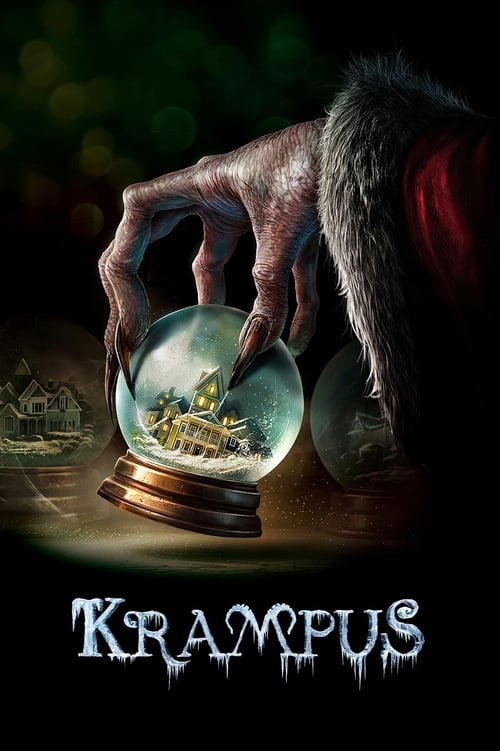
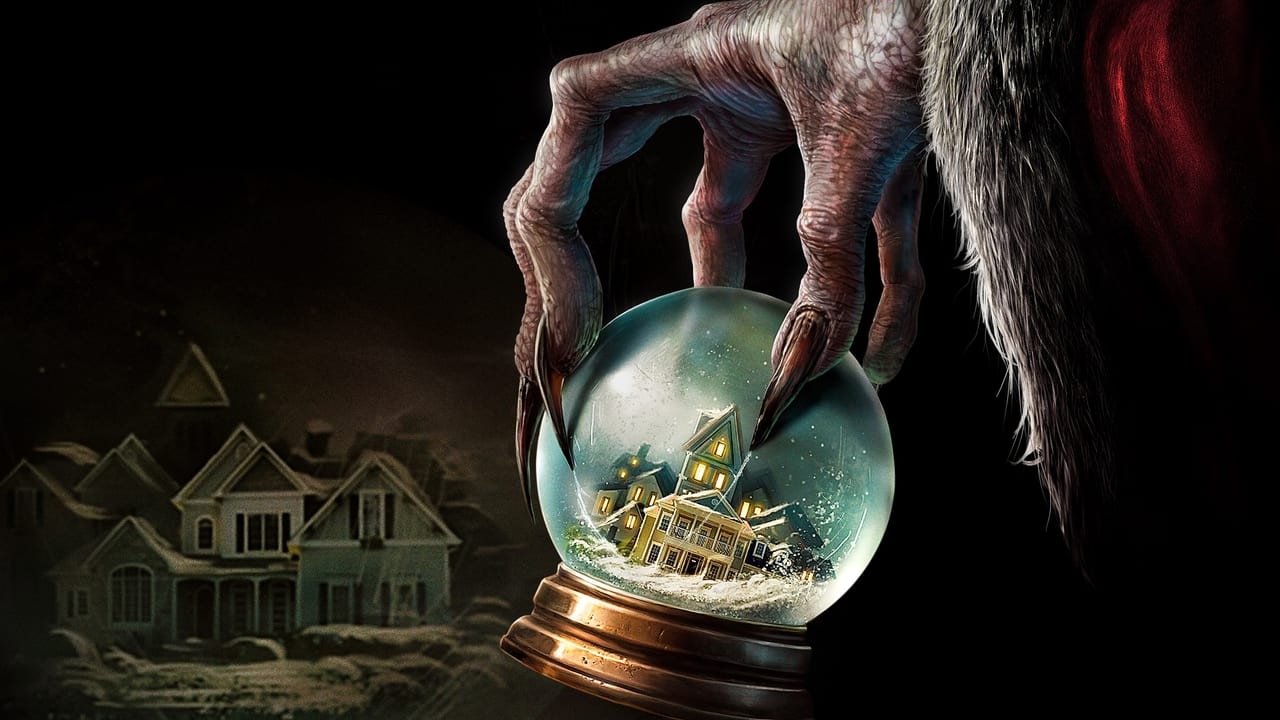
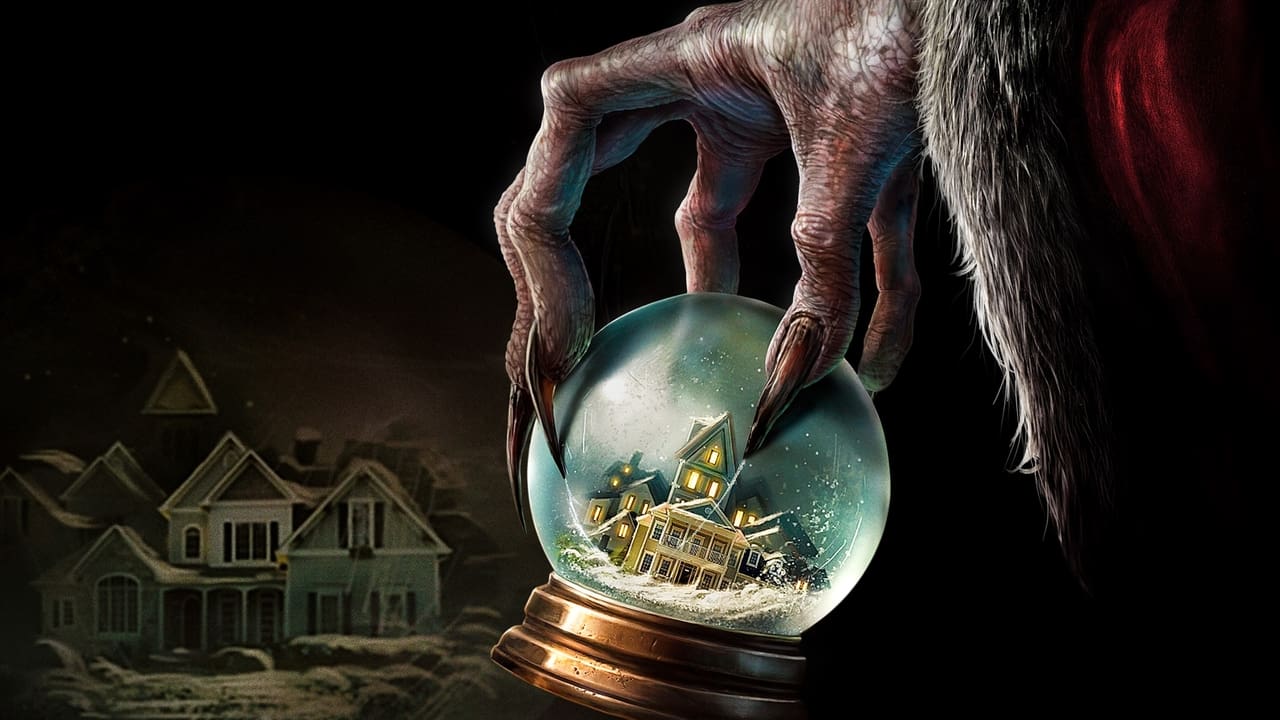
The film's final shot, revealing Krampus's collection of snow globes, each containing a scene of familial torment, is a chilling reminder of the demon's power and reach. It suggests that the Engel family is not alone, that countless others have fallen prey to Krampus's wrath, their Christmas spirit extinguished by cynicism and despair.
Verdict: Undeniably a Christmas Movie
Krampus is not just a horror film set during Christmas. It is fundamentally about Christmas. The plot hinges entirely on the presence (or, more accurately, the absence) of Christmas spirit. The themes of family, forgiveness, and belief are all central to the holiday season. And Krampus himself is a dark inversion of Santa Claus, a figure who embodies the consequences of losing faith. Therefore, it undeniably qualifies as a Christmas movie.
A Bauble of Doubt
That final shot lingers. The snow globe, a perfect miniature world of holiday horror, sits on the Engel family mantlepiece. A reminder that even amidst the twinkling lights and forced smiles, the darkness is always there, waiting to be unleashed. Perhaps that's the true spirit of Krampus: a cautionary tale wrapped in tinsel, a reminder that sometimes, the greatest monsters are the ones we create ourselves.