A Whoville Memory
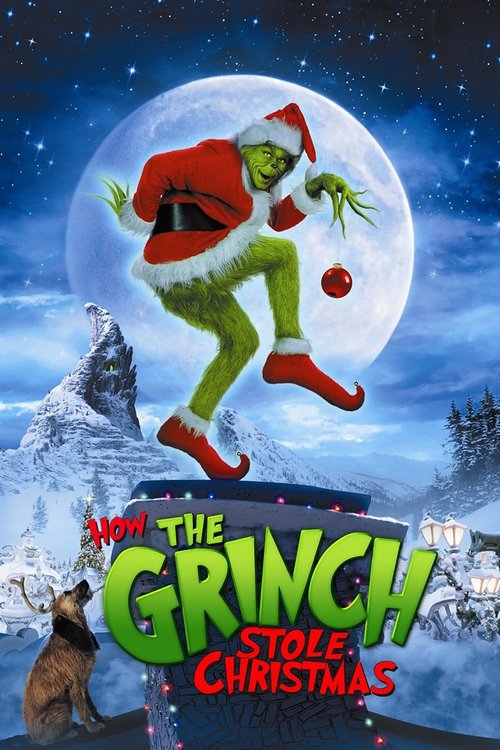
The first time I saw Ron Howard’s How the Grinch Stole Christmas, I was, to put it mildly, overwhelmed. Jim Carrey, encased in layers of green fur and prosthetics, was a force of nature, a whirling dervish of manic energy. Whoville was a kaleidoscope of bright colors, bizarre architecture, and aggressively cheerful citizens. It was a sensory overload, a sugar rush of holiday spirit that left me both exhilarated and slightly nauseous. Revisiting it now, years later, the initial shock has faded, replaced by a strange sort of affection. The film’s chaotic energy, once off-putting, now feels almost comforting, like a familiar, if slightly eccentric, holiday tradition.
A Seussian Spectacle
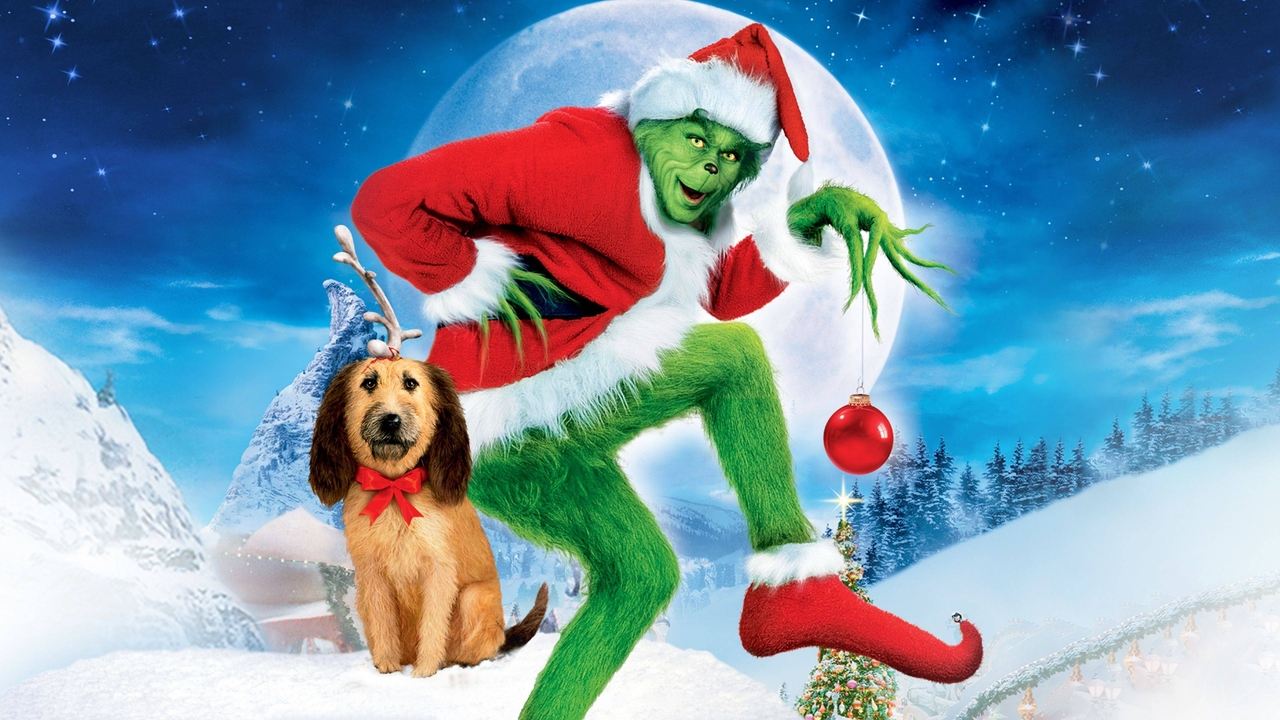
The film’s visual style is, to say the least, distinctive. Whoville is a riot of candy-colored buildings, gravity-defying architecture, and grotesquely cheerful citizens. Every surface is adorned with tinsel, lights, and oversized ornaments. It's a world where logic takes a backseat to pure, unadulterated Christmas excess. And at the center of it all is the Grinch, a creature of pure spite and resentment, whose every movement is a calculated act of rebellion against the relentless cheer of the Whos.
Jim Carrey’s performance is, unsurprisingly, the film’s most defining element. He throws himself into the role with a manic intensity that is both captivating and exhausting. He contorts his body, stretches his face into grotesque expressions, and delivers rapid-fire monologues filled with Seussian rhymes and sarcastic wit. It's a performance that demands attention, a constant reminder that the Grinch is not just a character, but a force of nature, a living embodiment of anti-Christmas sentiment.
But beneath the surface of the film’s visual excess and Carrey’s over-the-top performance, there lies a surprisingly tender story. The Grinch is not simply a villain; he is a wounded soul, a creature driven to bitterness by years of rejection and loneliness. His hatred of Christmas is not just a matter of personal preference; it is a symptom of a deeper pain, a longing for connection and acceptance that he cannot articulate.
The Heart That Grew Three Sizes
The film's thematic core revolves around the concept of redemption. The Grinch's journey from a bitter recluse to a reformed member of Whoville society is a classic Christmas tale of transformation. His heart, initially two sizes too small, grows three sizes larger as he learns the true meaning of the holiday: not the presents, the decorations, or the feasts, but the sense of community, compassion, and unconditional love.
This transformation is sparked by Cindy Lou Who (Taylor Momsen), the film’s innocent heart. Unlike the other Whos, who are consumed by the superficial aspects of Christmas, Cindy Lou sees the Grinch for who he truly is: a lonely creature in need of kindness. Her unwavering belief in the Grinch's inherent goodness, her refusal to judge him based on his appearance or his past, is the catalyst that sets his transformation in motion.
The scene where Cindy Lou confronts the Grinch in his cave is the emotional heart of the film. She doesn't scold him, doesn't accuse him, doesn't even seem particularly afraid of him. She simply asks him why he hates Christmas so much. It's a simple question, but one that forces the Grinch to confront the pain and resentment that have been festering within him for so long. It's a moment of genuine connection, a spark of empathy that begins to melt the Grinch's frozen heart.
A Season of Pressure
Christmas in How the Grinch Stole Christmas is not just a backdrop; it is a force, a cultural phenomenon that exerts immense pressure on the Whos. The film satirizes the commercialization of the holiday, the relentless pursuit of material possessions, and the obsession with outward appearances. The Whos are so caught up in the rituals of Christmas that they lose sight of its true meaning.
The Mayor of Whoville, Augustus MayWho (Jeffrey Tambor), embodies this materialistic excess. He is obsessed with winning the annual Christmas decorating contest, flaunting his wealth and status, and showering Martha May Whovier (Christine Baranski) with extravagant gifts in an attempt to win her affection. He represents the dark side of Christmas, the way it can be twisted into a competition, a status symbol, a measure of personal worth.
The Grinch's hatred of Christmas is, in part, a reaction to this materialistic excess. He sees the Whos' obsession with presents and decorations as a shallow and meaningless distraction from the true meaning of the holiday. His plan to steal Christmas is not just an act of spite; it is an attempt to expose the Whos' hypocrisy, to force them to confront the emptiness of their materialistic pursuits.
But the film also acknowledges the positive aspects of Christmas, the sense of community, the spirit of generosity, and the shared joy that it can bring. The Whos' resilience in the face of the Grinch's theft, their ability to find joy even in the absence of presents and decorations, demonstrates the enduring power of the Christmas spirit. The scene where they gather in the town square and sing Christmas carols, even after their homes have been stripped bare, is a testament to their unwavering faith in the true meaning of the holiday.
Undeniably a Christmas Movie
How the Grinch Stole Christmas is undeniably a Christmas movie. It is a film steeped in Christmas imagery, themes, and traditions. It is a story about the power of forgiveness, the importance of community, and the enduring spirit of the holiday. It is a film that celebrates the best aspects of Christmas while also satirizing its excesses. It is a film that, despite its chaotic energy and over-the-top performances, ultimately delivers a message of hope, redemption, and the transformative power of kindness.
A Feast of the Heart
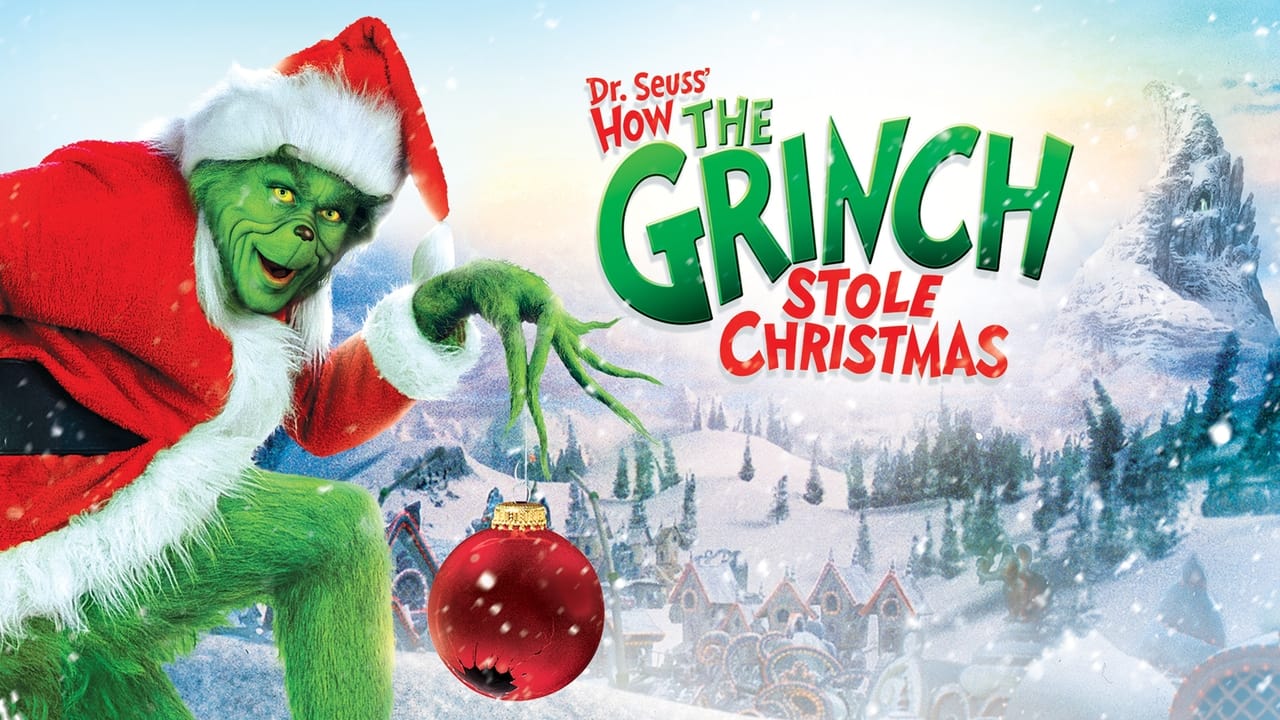
The final scene, where the Grinch joins the Whos for their Christmas feast, is a perfect encapsulation of the film’s message. He is no longer an outsider, a creature of spite and resentment. He is now a member of the community, accepted and loved for who he is. As he carves the roast beast, surrounded by the smiling faces of the Whos, he finally understands the true meaning of Christmas: not the presents, the decorations, or the feasts, but the shared joy of being together, the warmth of human connection, and the unconditional love that binds us all. It's a sentiment that resonates long after the credits roll, a reminder that even the grumpiest of hearts can be touched by the magic of Christmas. And, of course, as the Grinch says, "Merry Christmas to all, and to all a good night!"