The Unbearable Lightness of a Bare Lawn
There's a certain breed of Christmas movie that thrives on anxiety. Not the existential dread of a lonely holiday, but the hyper-specific, sweat-inducing panic of unmet expectations. The perfect tree, the flawlessly decorated house, the precisely orchestrated dinner – these are the battlefields of suburban Christmas, and the Kranks, initially, dared to declare themselves conscientious objectors. But as any seasoned Christmas movie viewer knows, you can check out any time you like, but you can never leave.

A Palm Tree in Riverside
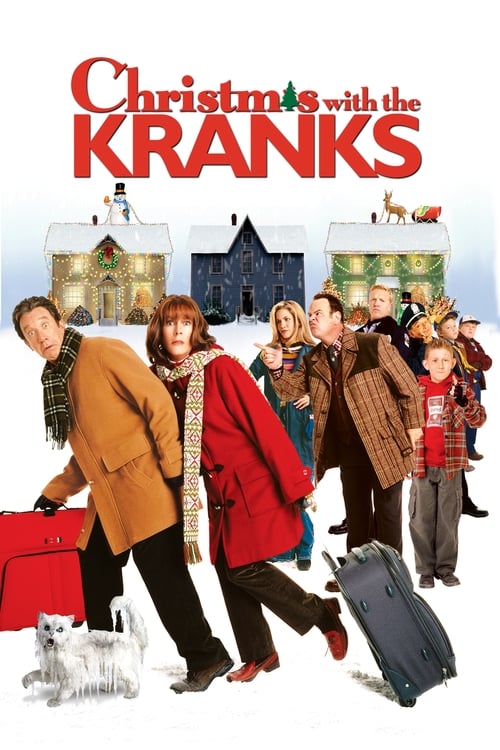
"Christmas with the Kranks" opens with a stark image: Blair Krank, the family's only daughter, departing for a Peace Corps assignment in Peru. Her absence leaves a gaping hole, not just in the Krank household, but in the carefully constructed tableau of their annual Christmas. Luther, ever the pragmatist, sees an opportunity: save the $6,132 they spent last year and escape to the Caribbean. Nora, initially resistant, is eventually swayed by the promise of sun and sand, a respite from the relentless demands of the season.
The film then pivots to the neighborhood, a Norman Rockwell painting gone slightly mad. Vic Frohmeyer, played with glorious intensity by Dan Aykroyd, is the self-appointed guardian of Christmas tradition, a man whose identity is inextricably linked to the perfectly symmetrical placement of his illuminated reindeer. The Kranks' decision to forgo the festivities is not just a personal choice; it's a declaration of war on the very fabric of Riverside's Christmas identity.
The film revels in the absurdity of this conflict. Children chant for Frosty the Snowman, carolers are met with icy resistance, and a front-page newspaper story shames the Kranks for their unlit house. It's a pressure cooker of expectation, fueled by neighborly competition and the deeply ingrained belief that Christmas is not just a holiday, but an obligation.
The Price of Rebellion
At its core, "Christmas with the Kranks" is about the tension between individual desire and communal expectation. Luther and Nora's initial desire to escape the holiday frenzy is understandable. They're grieving the absence of their daughter, and the thought of going through the motions of Christmas without her feels hollow. The cruise represents a chance to reclaim their time, their money, and their sanity.
But their rebellion comes at a price. They face ostracism from their neighbors, judgment from their colleagues, and a growing sense of unease. The film subtly explores the idea that Christmas, for all its commercialism and stress, also provides a sense of belonging, a connection to something larger than oneself. By opting out, the Kranks inadvertently isolate themselves, becoming outsiders in their own community.
The film also touches upon the theme of control. Luther's meticulous calculations and his rigid adherence to the "skip Christmas" plan are a way of coping with the uncertainty of life. He wants to control the narrative, to dictate how he and Nora will spend their holiday season. But as any good Christmas movie will tell you, the best things in life are often unplanned, unexpected, and utterly chaotic.
Christmas Eve Emergency
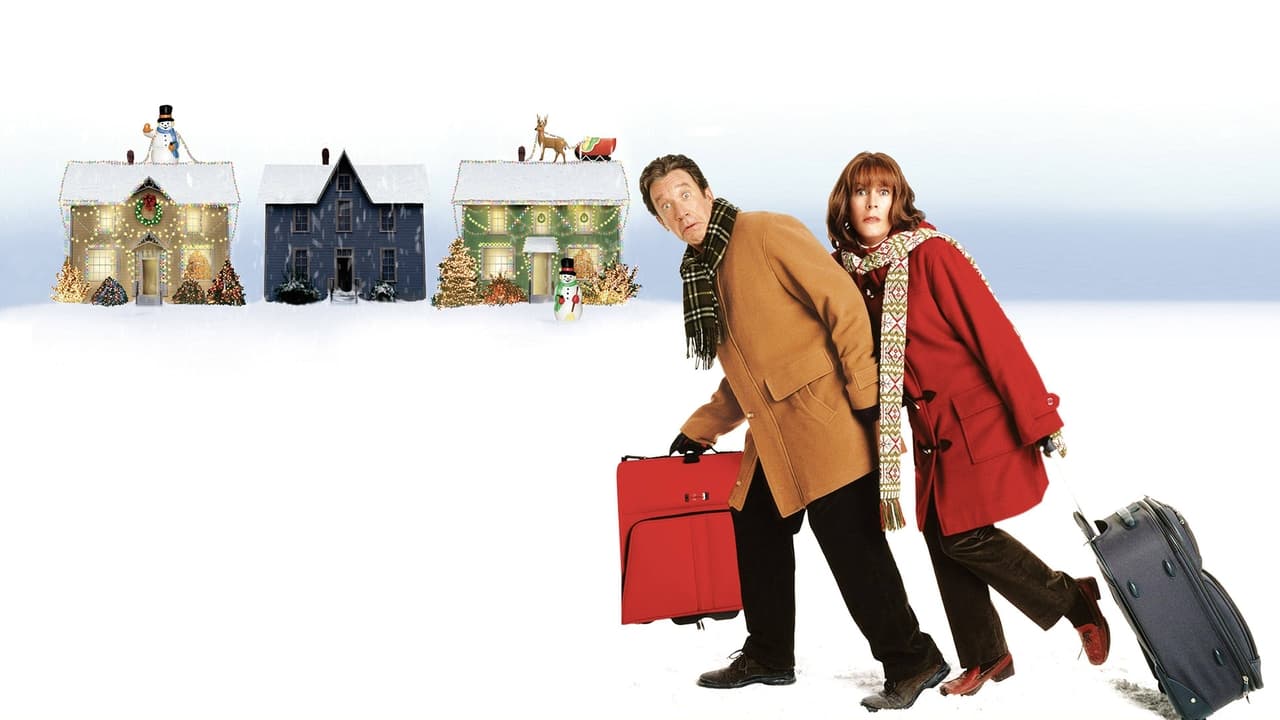
The turning point arrives with Blair's unexpected phone call. She's coming home for Christmas, with her fiancé in tow, and she expects the full Krank Christmas experience. Suddenly, the cruise is off, and Luther and Nora are thrown into a frantic race against time to transform their house from a holiday wasteland into a festive wonderland.
This is where the film truly shines. The chaos of Christmas Eve is captured with a frenetic energy that is both hilarious and relatable. The hunt for a Christmas tree, the desperate search for a ham, the struggle to erect Frosty the Snowman – it's a symphony of holiday mishaps, fueled by panic and desperation.
But beneath the surface of the comedy lies a deeper truth. The Kranks' efforts to recreate Christmas are not just about pleasing their daughter; they're about rediscovering the joy and connection that the holiday can bring. They're reminded that Christmas is not just about presents and decorations, but about family, friends, and the shared experience of celebrating together.
The Gift of Community
In a surprising act of neighborly redemption, Vic Frohmeyer and the rest of the Riverside gang rally to help the Kranks pull off their last-minute Christmas miracle. The transformation of the Krank house from a symbol of rebellion to a beacon of holiday cheer is a testament to the power of community and the enduring spirit of Christmas.
The film doesn't shy away from the underlying anxieties of the season. Walt Scheel's wife, Bev, is battling cancer, casting a shadow over their holiday. Luther's act of generosity in giving them the cruise tickets is a poignant reminder that Christmas is also about compassion, empathy, and the willingness to put others before oneself.

Undeniably a Christmas Movie
"Christmas with the Kranks" is undeniably a Christmas movie. It's not a subtle or sophisticated one, but it's a deeply heartfelt and genuinely funny exploration of the anxieties and joys of the holiday season. Its entire narrative hinges on the pressures and expectations surrounding Christmas Eve. It's a film about tradition, community, and the surprising ways in which the spirit of Christmas can emerge even in the most unexpected circumstances.
A Cruise Deferred
The film ends with a sense of resolution and renewed appreciation for the holidays. Luther and Nora have learned that skipping Christmas is not the answer, but that embracing the chaos and sharing the joy with others is what truly matters. The final image of the Scheels embarking on their cruise, a gift from the Kranks' newfound Christmas spirit, is a testament to the transformative power of generosity and the enduring magic of the season. And perhaps, just perhaps, it also suggests that even the most meticulously planned escapes can be happily, and hilariously, derailed by the unexpected arrival of family and the irresistible pull of Christmas.