The Gravy Boat of Memory
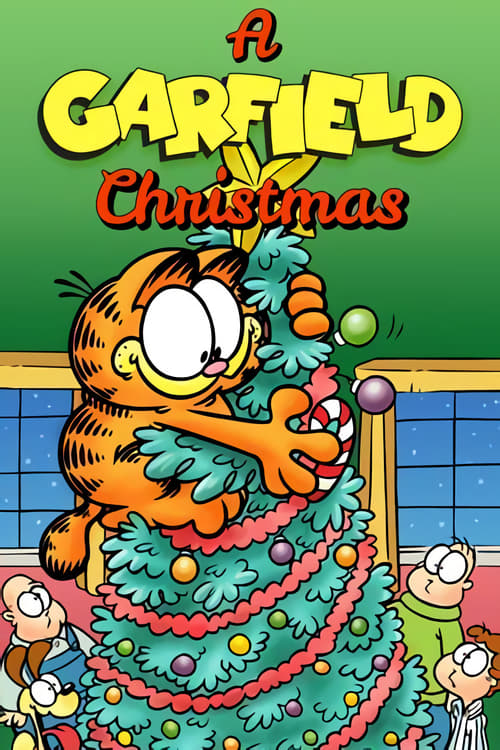
The scent of sausage gravy, thick with unspoken history and maybe a touch too much chili powder, hangs heavy in the air. It’s a scent that clings to the walls of Grandma Arbuckle’s farmhouse, a scent that summons forth Christmases past with the force of a cartoon fistfight. And in 1987, that scent wafted directly into our living rooms, courtesy of a fat orange cat with a penchant for pasta and a surprising capacity for… well, let's just call it holiday empathy. We're talking about A Garfield Christmas, of course.
Forget the sugar plums and the visions of dancing—this is a Christmas fueled by carbohydrates, cynicism, and the quiet ache of missing someone. This isn't a movie about believing in Santa; it's a movie about believing in family, even when that family includes a dopey dog, a socially awkward cartoonist, and a feline misanthrope.
Muncie, Indiana: A Christmas Postcard
The film opens with a familiar groan: Garfield being roused from his slumber on Christmas Eve morning. Jon, ever the optimist, announces their impending journey to Muncie, Indiana, to spend the holidays with his family. Garfield, naturally, is less than thrilled. He's a creature of comfort, a devotee of routine, and the idea of leaving his couch for the chaos of a family gathering fills him with dread. This initial resistance, this grumpy reluctance, is key to understanding the film's subtle magic. Garfield isn't transformed into a Christmas-loving cheerleader; he remains, at his core, a self-serving hedonist. But something changes within him, a softening around the edges that makes his eventual act of kindness all the more meaningful.
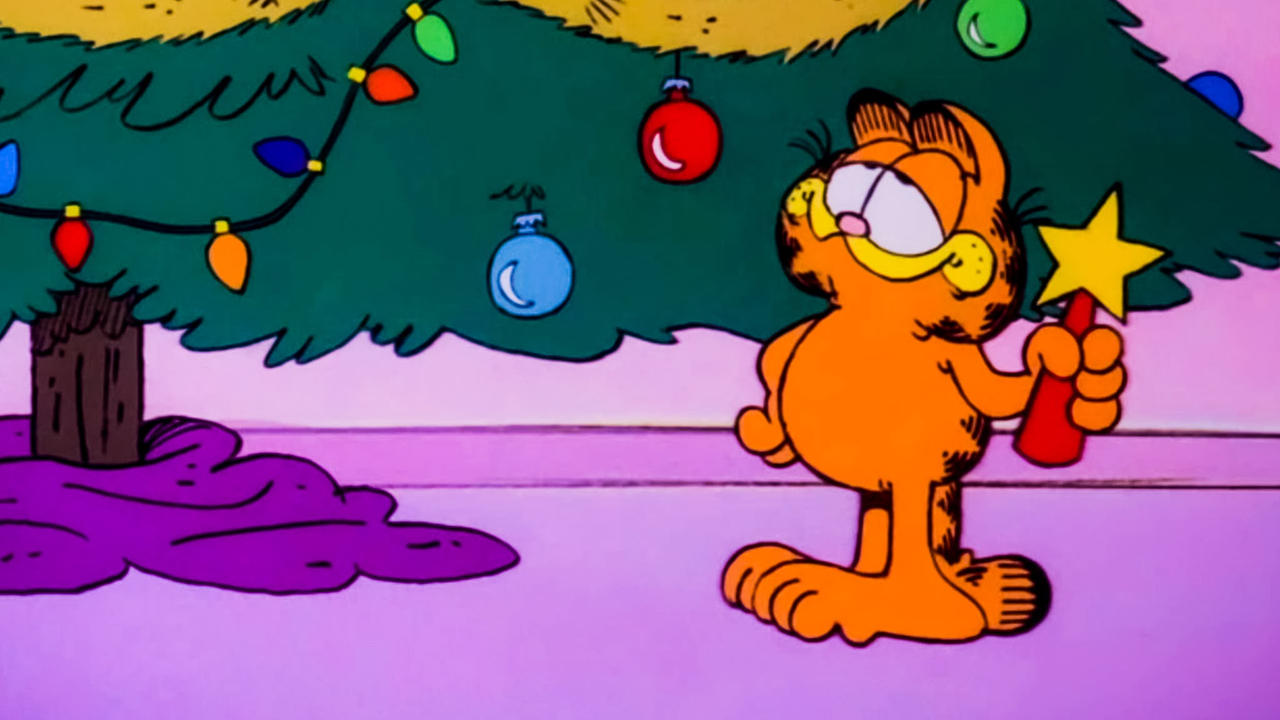
The Arbuckle farm is a picture-perfect Christmas tableau. Snow blankets the fields, a towering tree dominates the living room, and Grandma Arbuckle, a warm and welcoming matriarch, presides over it all. The details are crucial: the mismatched ornaments, the slightly off-key caroling, the Dad reading Binky, the Clown Who Saved Christmas with a clear lack of enthusiasm. These are the hallmarks of a real family Christmas, not the sanitized version often presented on screen.
Phil Roman, the director, understands the power of visual storytelling. The animation is simple, but effective. The warm, muted colors evoke a sense of nostalgia, while the expressive character designs bring the Arbuckles to life. Look closely at Garfield's eyes when he first meets Grandma. There's a flicker of something there, a hint of connection that transcends his usual disdain.
The Weight of Letters, The Gift of Time
At its heart, A Garfield Christmas is a story about family history and the passage of time. Grandma Arbuckle's quiet melancholy, her longing for her late husband, casts a shadow over the festive cheer. Christmas, the film suggests, isn't just about presents and feasting; it's a time when memories resurface, when the absence of loved ones feels particularly acute.
Garfield, in his own cynical way, recognizes this. He witnesses Grandma's sadness, and it stirs something within him. His discovery of the old love letters in the barn is a pivotal moment. These aren't just random scraps of paper; they're tangible reminders of a love that endured, a connection that transcended time. Garfield understands, perhaps for the first time, the value of these connections. He sees the power of memory, the comfort that can be found in revisiting the past.
Odie, in his own simple way, embodies the spirit of selfless giving. His secret project in the barn, the creation of a homemade back scratcher for Garfield, is a testament to his unwavering loyalty and affection. It's a clumsy, imperfect gift, but it's made with love, and that's what truly matters.
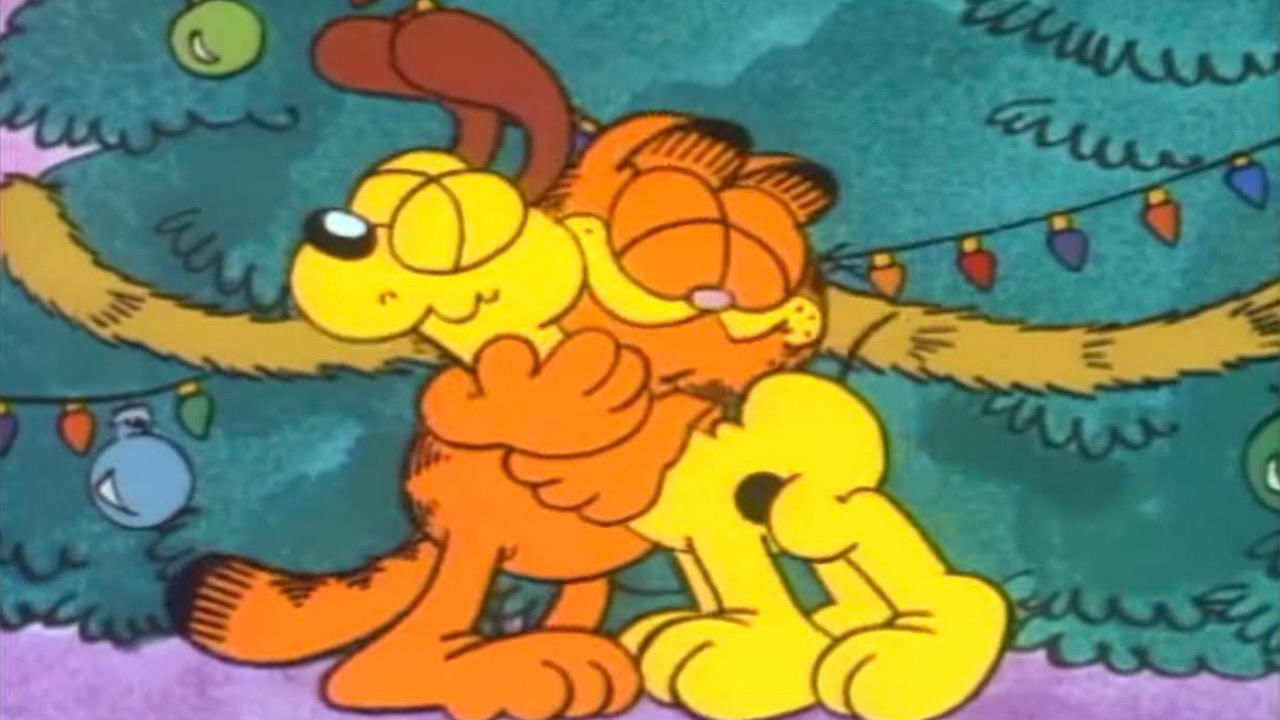
The film culminates in a heartwarming Christmas morning scene. The presents are opened, the carols are sung, and Garfield presents Grandma with the love letters. The moment is genuinely touching, a reminder that the greatest gifts are often the ones that can't be bought. And then, in a rare display of emotion, Garfield embraces Odie, acknowledging the dog's kindness and expressing his gratitude.
Christmas by Osmosis
Christmas isn't just a backdrop in A Garfield Christmas; it's the very engine that drives the narrative. It's the reason the Arbuckles gather at the farm, the reason Grandma is feeling nostalgic, the reason Garfield is forced to confront his own cynicism. The film explores the emotional pressures of the holiday season, the expectations of familial obligation, and the longing for connection that often intensifies during this time of year.
But it also celebrates the joys of Christmas: the warmth of family, the comfort of tradition, the simple pleasures of sharing a meal and singing carols. The film doesn't shy away from the darker aspects of the holiday season, but it ultimately affirms the enduring power of love and connection. The Christmas theme is inextricable. It is the reason for the tale.
Undeniably a Christmas Movie
A Garfield Christmas isn't just seasonally adjacent; it's undeniably a Christmas movie. It wears its holiday heart on its sleeve, embracing the traditions, the emotions, and even the anxieties associated with the season. While it may not be as grand or sweeping as some of the more iconic Christmas films, it possesses a quiet charm and a genuine warmth that makes it a worthy addition to the holiday canon. It’s a Christmas story told through the eyes of a cat who would rather be napping, but who ultimately learns that even he can be touched by the spirit of the season.
The Loving
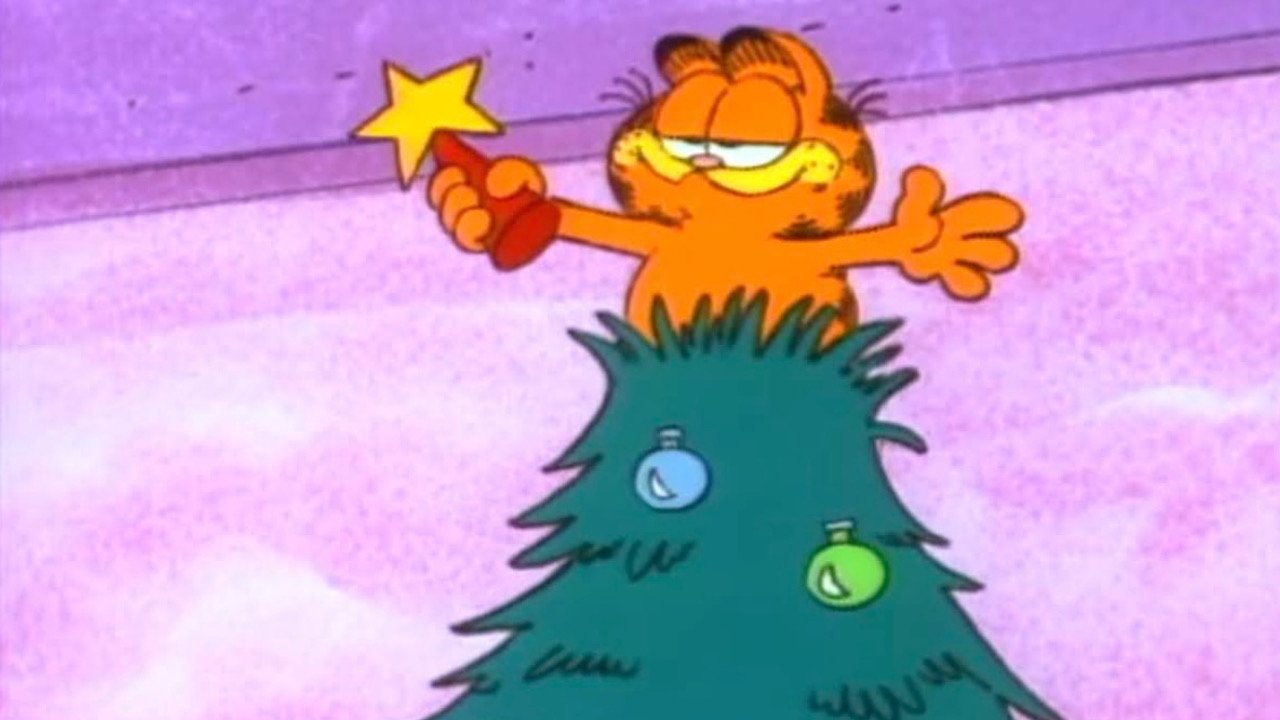
Garfield, in his final voiceover, sums it all up perfectly: "It's not the giving, it's not the getting, it's the loving! There, I said it. Now get outta here." It's a typically Garfieldian sentiment, a gruff expression of genuine emotion. And it's the perfect ending to a Christmas special that reminds us that the true meaning of the holiday isn't about presents or decorations, but about the love and connections we share with the people we care about. And maybe, just maybe, a little lasagna too.